County Locations
England
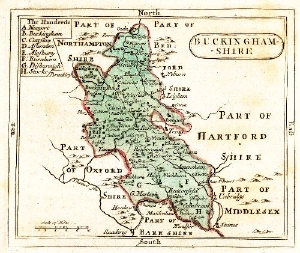
The 'historic counties' used for the listing in the Gatehouse website are those used by David Cathcart King in his seminal Castellarium Anglicanum (The book which is the main inspiration for this site) which approximate to the situation just prior to the major changes of 1974 although he separately listed the Isle of Scilly and Lundy Isle (instead of including these in Cornwall and Devon respectively). Within each site page the 'county' authority in 1974 and the current authority are also identified. An attempt is also made to identify the actual medieval 'county' and/or lordship, although the 600+ years covered in this database had changes and such identifications need to be considered with care.
Despite some common beliefs the counties of England have never been static and changes of a slight nature where boundaries were tidied up have occurred fairly often. Such changes took place in 1836 and 1968 with more major changes taking place in 1844 and 1888. County locations used in many older texts and primary sources may not be the same as the counties in 1973 used by King and here. Some of the more notable differences which may cause confusion because of the inconsistency between various sources are;
- The far north of current Northumberland (Norhamshire and Islandshire) and a couple of small areas in Northumberland (Bedlingtonshire) (also Crayke Castle now in Yorkshire) were part of County Durham until moved into Northumberland by the 1844 Counties (Detached Parts) Act.
- The county of Greater London was a creation of the 19th century (The 1888 Local Government Act), prior to this the area covered by Greater London was split between Middlesex, Essex, Kent and Surrey (although these county identifications continued to be widely used by many well into the 20th century and are still used by a few).
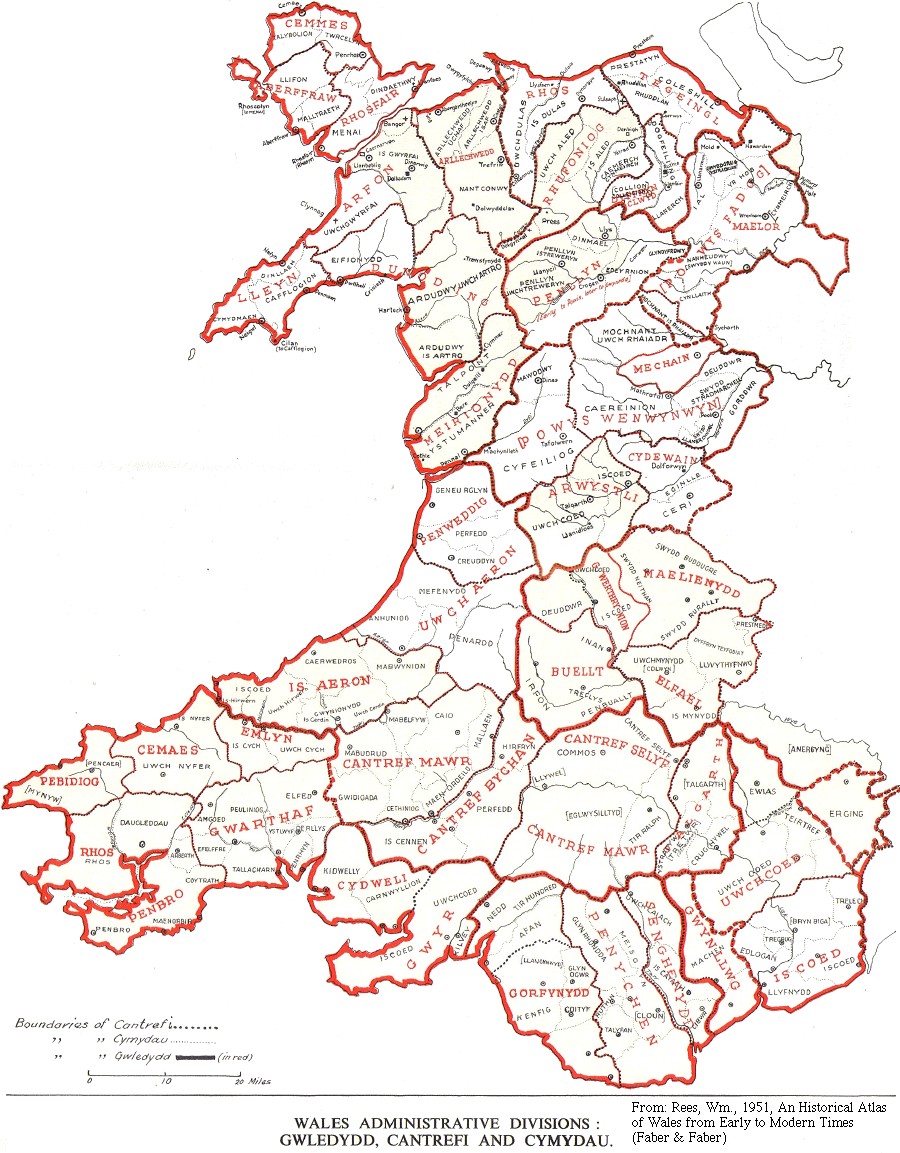
- Berwick upon Tweed was not part of any county, but a separate authority in it's own right. Strictly speaking Berwick was not even a part of England but a distinct part of the United Kingdom. (The same can be said for some of the welsh marcher lordships although these were assumed into the county systems at fairly early dates.)
- Eaton Socon, now in Bedfordshire, was in Cambridgeshire until a boundary change in 1968.
- Dudley Castle (but not Dudley town) was in Staffordshire not Worcestershire prior to 1844.
- Tamworth Castle (but not most of Tamworth town) was in Warwickshire not Staffordshire prior to 1888.
- The Norfolk-Suffolk county boundary followed the River Little Ouse through Thetford until 1888 placing Thetford Red Castle, Thetford Bishops Palace, Thetford Warren Lodge and Thetford Town defences in Suffolk.
- Christchurch Castle, now in Dorset, was in Hampshire.
- Scotney Castle, now in Kent, was in Sussex.
- Holditch Court, Thorncombe, now in Dorset, was in Devon.
- Burford Castle, Tenbury Wells, now in Shropshire, was in Worcestershire. (Here the boundary change, to reflect the modern course of the River Teme, has not only moved the castle into a different county from its town but made the eroded motte look even less significant by masking the line of the castles bailey from the map.)
- The parish of Chadstock, where Chadstock Court was a residence of the bishop of Salisbury, was transferred to Devon from Dorset in 1896.
- Halesowen Abbey was in Shropshire until moved to Worcestershire in 1844. This move and subsequent confusion with similar names has lead to a licence to crenellate to this abbey being misattributed to Hales Abbey, Gloucestershire.
- Oxford Grandpont (Folly Bridge) was in Berkshire not Oxfordshire.
- Parts of the parish of Meppersahll, including The Hills motte, were in Hertfordshire until moved into Bedfordshire in 1844.
- The parish of Maker, including Mount Edgcumbe Blockhouse, were in Devon now Cornwall.
- Icomb Place was in Worcestershire, now Gloucestershire.
- Courtfield in the parish of Welsh Bicknor was in Monmouthshire until 1844, when it was moved into Herefordshire, although Moore records it as in Herefordshire when he wrote in 1798.
- (N.B. This is not a comprehensive list)
A major change of administrative areas took place in 1974 and again in 1996. Some sources will refer to administrative areas which were in existence between these dates. The Sites and Monuments records and the authorities with responsibility for recording and protecting historic sites are generally, at a local level, based on the new post 1996 administrative areas in England.
The smallest area of civil authority in England is the Civil Parish, this is used to locate sites is some sources. Modern administrative areas are also not entirely tidy and some non parish areas exist. It should be noted that the Civil Parishes do occasionally change names and boundaries so the Civil Parish given in older sources may not be the same as that given in Gatehouse. Civil Parishes are not the same as church parishes although they do often cover the same or similar areas and have the same or similar names. They are certainly not the same as medieval manors and any similarity in name must be treated with circumspection.